

Dealing With The Generation Gap Amid Today’s Top Workforce

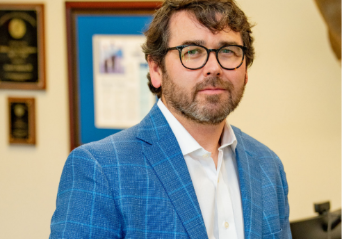
By: Rick Fenwick Jr., Ph.D.; Columbia Southern University
By the end of 2025, Generation Z—people born between 1997 and 2012—will make up close to
one-third of the workforce (Kaplan, 2024). The other two thirds of the workforce consist of
millennials, Generation X, and baby boomers.
As more Gen Zers enter the workforce, the more apparent the difference in priorities for this
generation compared to previous generations. The shift in priorities may be attributed to a
multitude of reasons such as surviving a pandemic at a young age, a tight labor market and
rising inflation. According to Carnegie, where previous generations valued loyalty and longevity
with an organization, Generation Z prioritizes money as the top concern (Carnegie, 2023).
While this is not a shocking revelation, it is a point of interest in how this generation is willing to
quickly leave an organization for a competitor if the price is right (Carnegie, 2023).
Previously, organizations relied on employee loyalty and the motivation to earn promotions and
move through the ranks. Today, organizations should re-evaluate the needs of the workforce in
order to reduce turnover, costs, low morale and other elements that are correlated with
dissatisfied employees.
Workplace values that appeal to Generation Z
Organizations may argue that there is no wiggle room for employee wage increases, but there
are other approaches to meeting the needs of employees, such as flexible work hours. In recent
years, remote work has become common practice, but many organizations desire to bring back
employees. To offset the new work environment, organizations may choose to offer a shorter
work week, or flexibility for appointments or family care (Sabatini, 2023).
Another valuable approach includes improving the work environment. The work environment
significantly impacts employee retention rates (Sabatini, 2023). If an employee is already
dissatisfied, their dissatisfaction may be exasperated in an environment where there may be
poor lighting, sanitation issues, or poor ergonomics (i.e., standing all day or sitting in a bad
chair).
A third approach is showing recognition in the workplace. Everyone appreciates recognition, but
with younger generations, it is even more significant. Generation Z was born into technology in
comparison to previous generations. This has made them generationally tech savvy and
accustomed to instant recognition on social media platforms (MELP, 2024).
Growing up with this experience has carried over into the workplace where employees seek that
same instant recognition. Leadership within organizations can groan and say this kind of
validation is not how it should be, or they can embrace this as a cost-friendly approach to
keeping employees happy. This approach also helps in building and sustaining a positive work
culture over time, which feeds into a positive work environment.
The workforce is going through a generational change right now, and organizations must decide
how they want to proceed moving forward. There are many approaches in addition to financial
ones that could be enticing for the younger workforce. It is on each organization to navigate
those waters to find what works best for them and their people.
Author Bio
Rick Fenwick serves as the academic program director for the behavioral sciences at Columbia
Southern University. He has a doctorate in industrial and organizational psychology from
Capella University and is a partner at Fenwick Training & Development, LLC, in Novi, Michigan.
He has worked as an organizational consultant since 2001, conducting customized training
programs for manufacturing, customer service and union organizations.
About Columbia Southern University
As an innovator in online education for more than 30 years, CSU was established to provide an
alternative to the traditional university experience. CSU offers online associate, bachelor’s,
master’s and doctoral degrees such as business administration, criminal justice, fire
administration and occupational safety and health. Visit ColumbiaSouthern.edu or call (877)
347-6050 to learn more.
References:
Carnegie, M. (2023). Why Gen Z are so motivated by pay. BBC. Retrieved from https://www.bbc.com/worklife/article/20230530-why-gen-z-are-so-motivated-by-pay
Kaplan, Z. (2024). Generation Z workplace statistics. Forage. Retrieved from https://www.theforage.com/blog/basics/generation-z-statistics
MELP. (2024). Why Gen Z demands a culture of recognition at work. MELP. Retrieved from https://www.melp.com/blog/as-gen-takes-over-the-job-market-the-culture-of-recognition-is-becoming-a-necessity
Sabatini, D. (2024). Bridging generational divides in your workplace. Harvard Business Review.Retrieved from https://hbr.org/2023/01/bridging-generational-divides-in-your-workplace

Read More





Subscribe to our weekly newsletter
Sign up here for free to get Bay Business News email newsletter every Friday.
By subscribing, you agree to our User Agreement and Privacy Policy & Cookie Statement.