

Measured Optimism
How Mobile and Baldwin counties fit into national shifts shaping the commercial real estate landscape
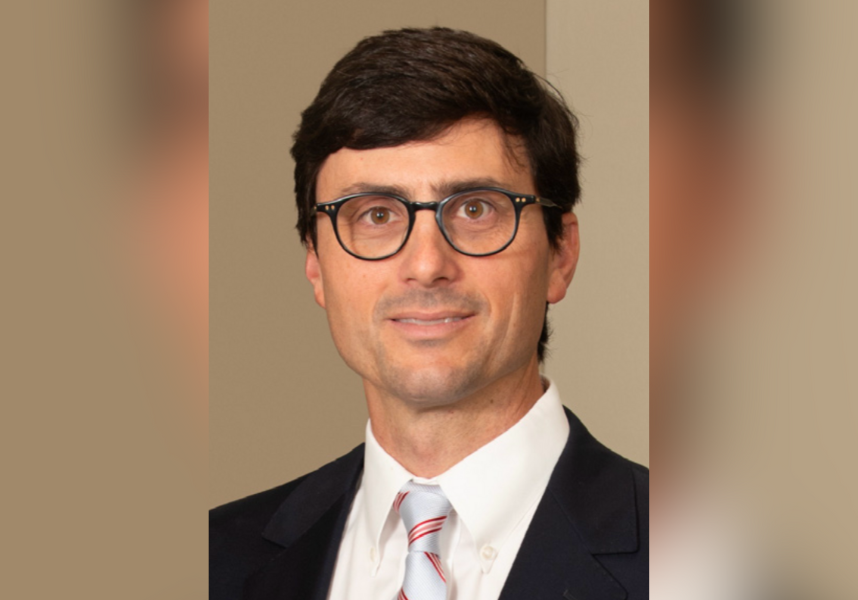
by Pratt Thomas
After several years of elevated interest rates, cautious lending and unpredictable economic signals, the commercial real estate industry enters 2026 with a sense of measured optimism. Nationally, investors and developers are preparing for a market that may not accelerate rapidly, but where they are finding opportunities. The Gulf Coast and Mobile and Baldwin counties stand out as bright spots where population growth, port expansion and unprecedented levels of industrial investment continue to fuel demand.
While we don’t expect the market to return to the low-rate frenzy of the late 2010s, 2026 is shaping up to be a year defined by stability, strategic investment and continued strength in the sectors where our region excels.
National Outlook: A Market Finding Its Footing
Capital Markets and Interest Rates
The real estate market is correlated to interest rates and the ability to raise capital. With inflation cooling and recent rate reductions, borrowing costs have, and should, continue a gradual decline. With elevated interest over the past three years, investors have had no risk options for capital. This sidelined capital has been waiting for predictable risk- adjusted returns, and 2026 is poised to deliver it. Lenders will continue favoring strong sponsorship and stabilized assets, and value-add buyers will need to justify assumptions with real performance, rather than speculative upside.
Industrial — Still the National Standout
Industrial remains the most resilient sector, and fundamentals for long-term growth continue. Vacancy rates currently at 7.5% have been elevated since their lows in 2022 when vacancy rates were 4%. Supply chain re-shoring, manufacturing investment and the ongoing need for regional distribution hubs are all tailwinds. Secondary logistics markets, like the Gulf Coast, should be positioned to outperform
primary hubs where costs and congestion remain challenging.
Office — Stabilizing, Not Recovering
While the hybrid work debate continues to evolve, the office market has recalibrated and is entering a phase of stabilization. High-quality, Class A buildings continue to attract tenants, but older Class B or C properties face challenges. Owners of B or C class properties will continue to explore residential conversions.
Retail — Service-Based and Experience-Driven
National retail continues its slow, steady transformation. Necessity retail, medical users, fitness and experiential concepts should expand in 2026. With construction costs high, most retailers prefer existing second-generation space over new development.
Local Outlook: Mobile and Baldwin Counties Continue to Outperform
If the national picture is one of cautious optimism, the local outlook is one of continued momentum. At the 2025 annual State of the Economy, David Rodgers of the Mobile Area Chamber of Commerce and Tom Wickman of the U.S Chamber of Commerce did an excellent job of highlighting data points and trends where Mobile and Baldwin county economies are outpacing the national economy.
The ongoing wave of major projects with billions in investment across Mobile and Baldwin counties continue to reshape the commercial landscape. Expansion in logistics, shipbuilding, aerospace, healthcare and advanced manufacturing brings a steady supply of jobs and supplier activity. The University of South Alabama’s and Infirmary Health System’s growth, along with continued investment
from companies in the aviation and maritime sectors, creates both direct and indirect demand for space across industrial, office, retail and housing.
In Baldwin County, population growth remains one of the strongest in the Southeast. This steady influx of new residents drives demand across all real estate asset classes. The combination of industrial expansion, port-driven logistics demand and steady population growth sets the local market apart from the national economy.
Industrial — The Region’s Powerhouse
Industrial is the defining story for our region in 2026. The Port of Mobile remains one of the fastest-growing container ports in the nation, and the ripple effects continue to create demand for warehouse, manufacturing and logistics space. New and expanding industrial users along the Gulf Coast I-10 corridor in Mobile and Baldwin counties are fueling absorption. Vacancy rates in the Mobile metro remain healthy at 6%, and developers are exploring additional speculative projects to meet demand. The national trends for manufacturing investment, reshoring and supply chain diversification align perfectly with our region’s strengths, which should continue to fuel demand.
Office — Incremental Stability
The Mobile office market enters 2026 with stable fundamentals. Professional services, healthcare, engineering and tourism-related businesses continue to anchor demand. Downtown Mobile benefits from incremental leasing improvements, while some suburban nodes maintain consistent occupancy.
The challenge mirrors national trends: Older buildings require repositioning, renovation or rethinking. Owners who invest in modernizing technology, energy efficiency and improved common areas are better positioned to compete.
Retail — Location, Location, Location
Retail remains one of the most location-driven sectors, and Baldwin County’s population growth gives it a clear advantage. New concepts, especially in restaurants, medical retail, service businesses and grocery-
anchored centers, continue to show interest in the market.
Population growth and tourism in Baldwin County remain foundational drivers. With visitor numbers rising
and new residents fueling suburban expansion, both counties should see steady retail performance in 2026. Construction costs limit ground-up development, but second-generation space is quickly absorbed when well-located.
Risks and Wild Cards
Despite positive momentum, the outlook is not without uncertainty. Interest rate volatility, continued
inflation in construction materials and labor costs, port activity fluctuations tied to global trade conditions and insurance costs are all variables that can influence investment activity. Any of these variables could reshape decision-making in the second half of the year.
Conclusion — A Strategic Year for Local Businesses
Across the board, 2026 appears poised to be a year of stability and strategic growth. While the national
market finds its footing, Mobile and Baldwin counties continue to outperform, powered by population
growth, port expansion and sustained industrial investment.
For businesses considering expansion, relocation, development or acquisition, 2026 offers opportunities
— particularly in sectors where our region holds a competitive advantage. With strong fundamentals and a long-term growth trajectory, the Alabama Gulf Coast is well-positioned to capitalize on the next chapter of commercial real estate’s continuing evolution.
Pratt Thomas is the president of Merrill P Thomas Co., Inc., and is a distinguished professional with
more than 20 years’ experience in the real estate, banking and construction industries. His career is marked by a proactive approach and a results-driven mindset, coupled with extensive expertise in development, brokerage services and property management.

Read More

- « Previous
- 1
- …
- 6
- 7
- 8
Subscribe to our weekly newsletter
Sign up here for free to get Bay Business News email newsletter every Friday.
By subscribing, you agree to our User Agreement and Privacy Policy & Cookie Statement.